Nearly 15% of the world’s population lives with a disability. Childhood disabilities (0–14 years), is estimated to be 95 million (5.1%) children, of whom 13 million (0.7%) have “severe disability” (WHO & the World Bank, 2011). It is estimated that over 2.5 million children in Tanzania are living with disabilities (National Plan of Action for Children, 2003 – 2010 and beyond). Children with disabilities (CWDs) have a 1.7% greater risk of being victim of violence than non-disabled children and girls with disabilities are more vulnerable (UNICEF as cited in ACPF, 2011). 5 – 20% of working children suffer injuries or illness that permanently affect or disable them e.g. loss of limbs, hearing, sight and burns (ILO 2006). The main causes of disability among children in Tanzania are preventable causes like poor nutrition, lack of prenatal and neonatal health care, and harmful traditional practices (ACPF, 2011).
Child Development, to us, means addressing the child’s impairment, making them free from diseases, improving their living standards, and making them resilient and confident in their abilities. We make it easier for them to participate and stand up for themselves. We do this by increasing their access to support services and health care, creating inclusive education and a better livelihood, organizing social activities, and advocating for political support and empowerment.
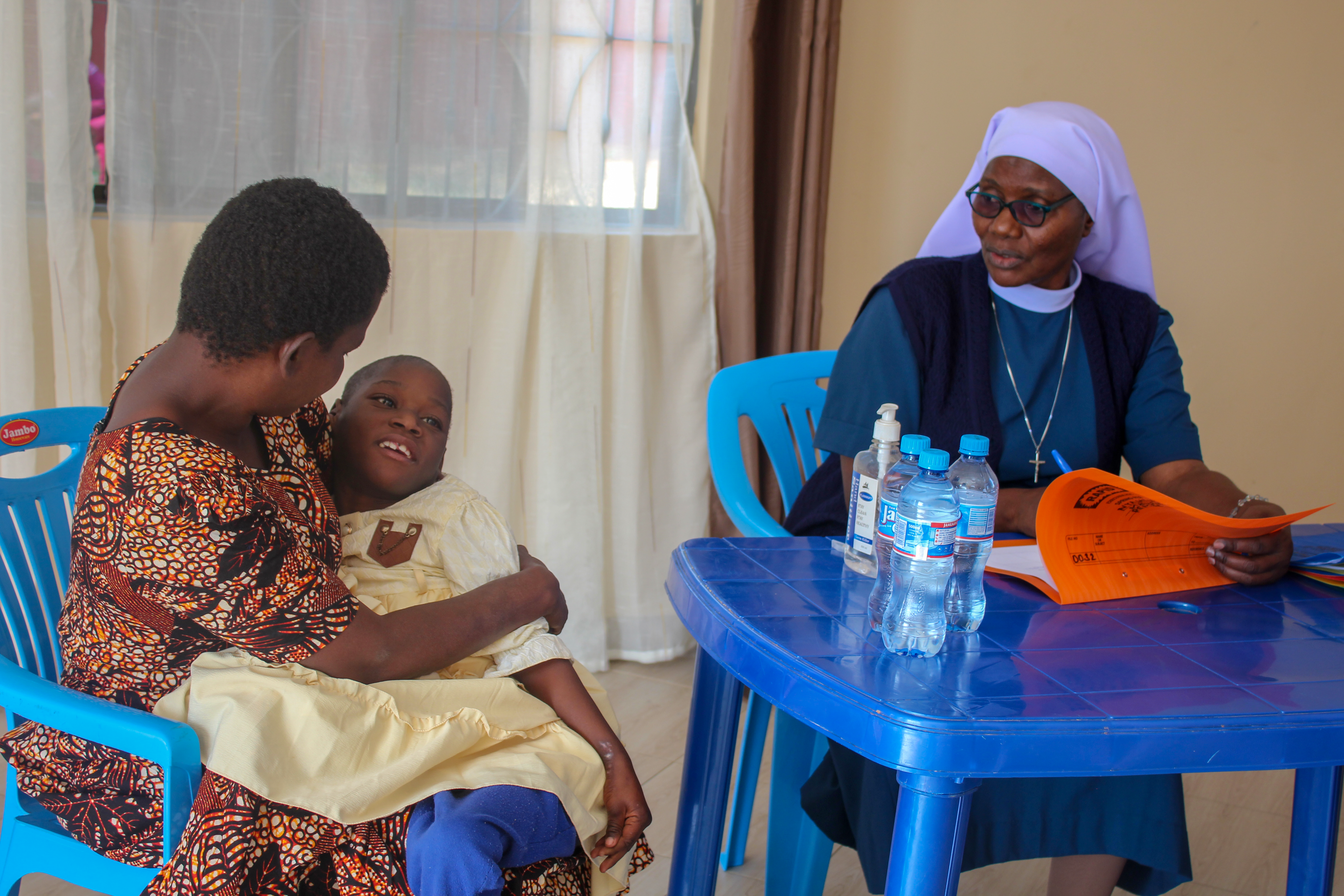
The starting point for our support is always the situation, the character, and the needs assessment of each individually child. The parents or guardians play a central role in our engagement and support. Early identification and intervention is one of the major aspects in enabling CWDs grow up to become productive and independent individuals. It supports their physical, social and cognitive development at early stage. It also minimizes cost and stress to which the children and their families are potentially exposed to.
It is estimated that over 2.5 million children in Tanzania are living with disabilities (National Plan of Action for Children, 2003 – 2010 and beyond). Difficult in seeing 1.5%, Difficulty in hearing 1.3%, Difficulty in walking 1.2%, Difficulty in remembering 1.7%, Difficulty in communicating 1.2%, Difficulty in self-care 1.2%, and Albinism 0.6%.
St. Justin Foundation, through these strategic focus areas, seeks to enhance the quality of life for Children and Youth with Disabilities (CYWDs) and their caregivers by supporting them in meeting their healthcare and rehabilitation needs. The focus area aims to address concerns around access to quality healthcare for CYWDs; increasing the knowledge and awareness of policymakers on CYWD health issues; improving health data; providing quality specialized rehabilitation services; and enhancing the inclusion of CYWDs within the health services provision system.

Inclusive education for children with disabilities is one of the most important strategies of the St. Justin Foundation. A 2017 UNESCO study reported that only 3.7% (4.5% primary, 2.8% secondary) of total children enrolled in schools were children with disabilities, whilst a similar study by UNESCO in 2019 put the figure at 7.6% (9.4% primary, 5.8% secondary).
60% of all children with a disability in Tanzania are out of school. Most of them live in the poorest families, without opportunities to attend school or are excluded from education. The children with disabilities who are in school are less likely to stay in school.
The main barrier to education is not the child’s disability but the attitude of society including Prior perception about disability; It is a curse, It is a punishment from God for parental or family sin, A revenge for betraying people, An accident happened by the power of evil spirit, A wind devil and Failing to perform feasts to evil spirit. Also there is “Stereotypical expressions” like “Puzzled/confused/mystified” for the child with vision and hearing disability, “Crippled” for mobility problem, and “Possessed by evil spirit” for mental illness. There also a Coping mechanisms which refers to Spiritual remedy, Witch craft, Traditional physiotherapist, Ritual practices like breaking eggs, washing body with herbs, Preparing feast to ‘evil spirit’, and Alienating the child with disability.
St. Justin Foundation emphasizes the importance of inclusive education and advocates for changing these statistics. We promote quality and inclusive education for all children.
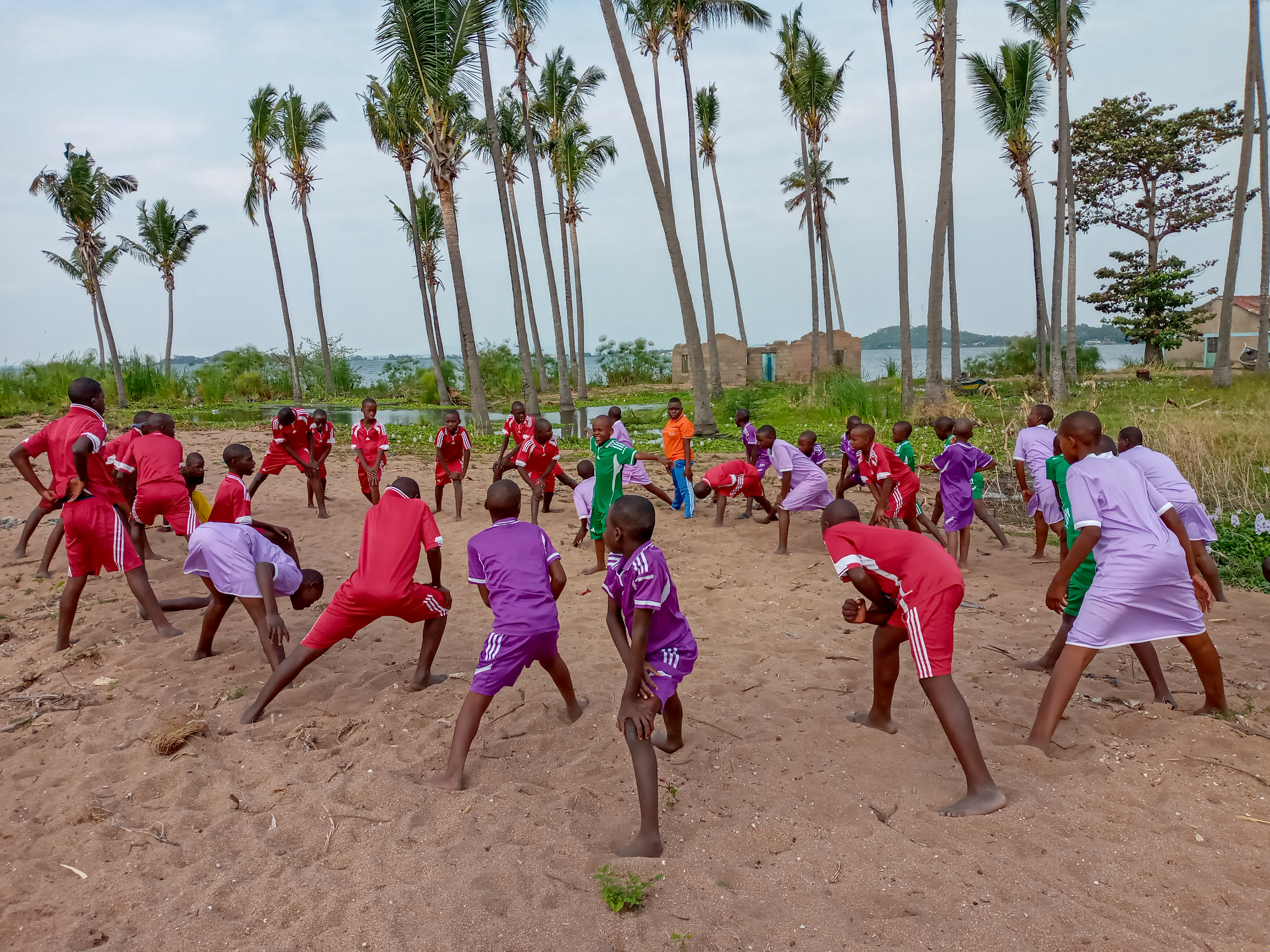
St. Justin Foundation is dedicated to promoting social inclusion and empowerment of children with disabilities by addressing the barriers they face in accessing education, healthcare, and community participation. St. Justin foundation focuses on raising awareness to challenge stigma and negative perceptions surrounding disabilities, while promoting inclusive education by training teachers, adapting school infrastructure, and providing necessary resources. Healthcare and rehabilitation services are key components, ensuring that children with disabilities receive early diagnosis, treatment, and continuous support through community-based rehabilitation programs. The SJF empowers children with disabilities by providing vocational training, creating livelihood opportunities, and building strong support networks that include peer groups and family support programs. By engaging policymakers and advocating for disability-inclusive policies, St. Justin Foundation ensure that the rights of children with disabilities are protected, and that they have access to the services they need to live fulfilling, independent lives. In addition, SJF Enabling CYWDs to participate in social activities like attending religious events, community meetings, political elections, environmental cleaning and domestic chores.
Majority of persons with disability rely on informal sector such as self-employment and small businesses. The 2018 National Bureau of Statistics survey found that only 0.2% of employees in the formal sector were people with disabilities (59% male, 41% female); 61.6% worked in the private sector and 38.4% in the public sector. A smaller study of formal sector private employment carried out in 2014 found slightly higher employment rates of 1% or less for persons with disabilities in the surveyed companies.
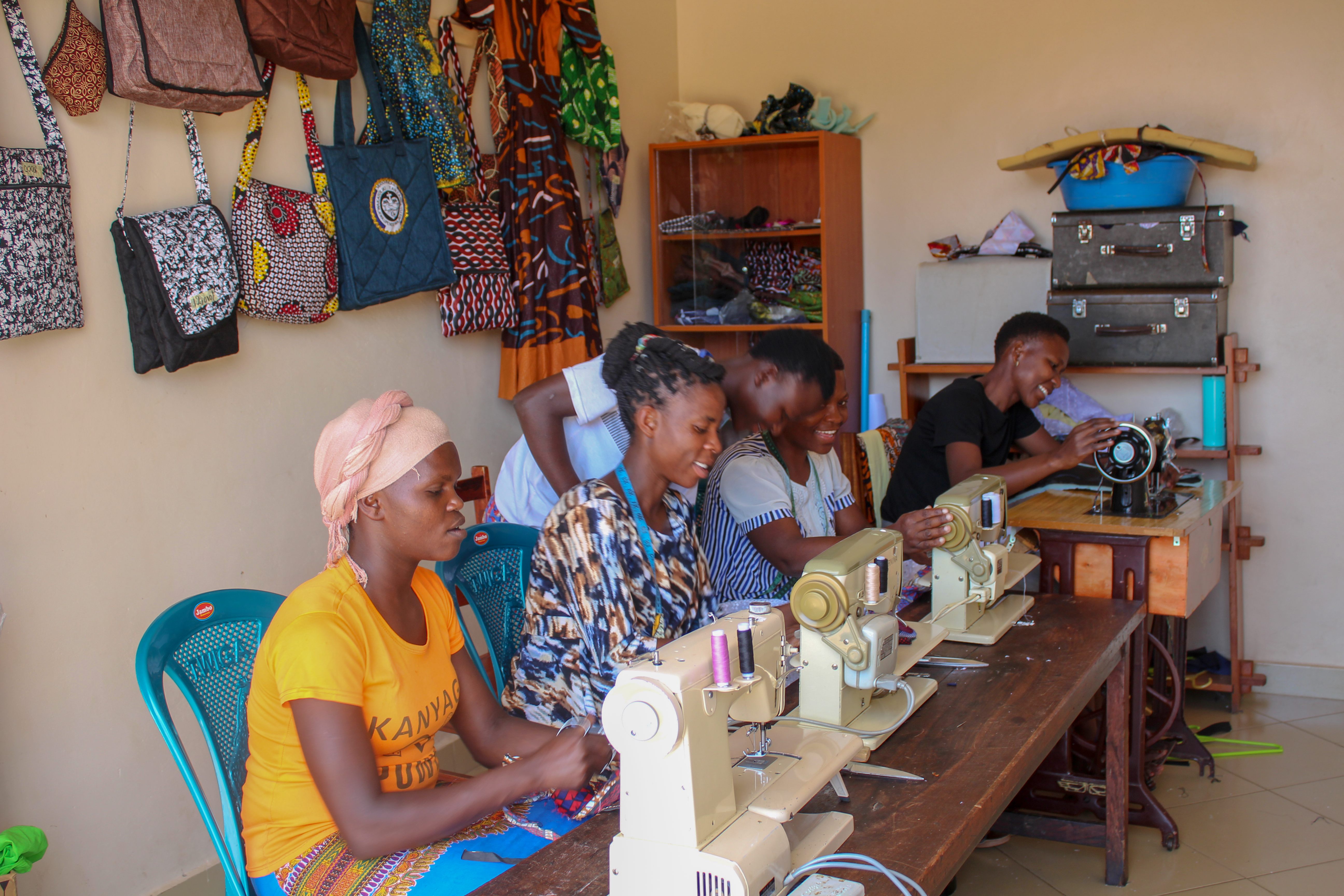
Livelihoods development is a crucial aspect of empowering children and youth with disabilities (CYWDs) to become self-reliant and financially independent. Many CYWDs face barriers to employment and economic participation due to societal stigma, lack of access to education, and limited opportunities for skill development. The 2012 PHC on its part established that about 9.4% (9.1% male, 9.7% female) of employed persons had some type of disability. The PHC further reported that 70.2% of persons with disability aged 15 and above (35% males, 36% females), were employed, substantially in the informal sector. The proportion of employed persons with disability was larger in rural areas (74.8%) than in urban areas (58.2%). This is because the main sectors of employment were in agriculture (67.1%) followed by trade and commerce (5.9%). The largest proportion of employed persons with disabilities were youths of aged 25-34 years (24.1%) followed by those of aged 15-24 years (21.5%). Consulted key informants on their part referred to existence of a few cases of sheltered employment by some CSOs such as St. Justin Foundation has employed three youth with disabilities, NEEMA crafts Centre in Iringa and Dennis Maina in Musoma that employs persons with disability. To address these challenges, the St. Justin foundation implements vocational training programs that equip CYWDs with practical skills in areas such as Carpentry, Welding ,tailoring, computer skills, and agriculture. These programs are designed to provide CYWDs with the tools they need to either find employment or start their own small businesses, helping them contribute to their families and communities.
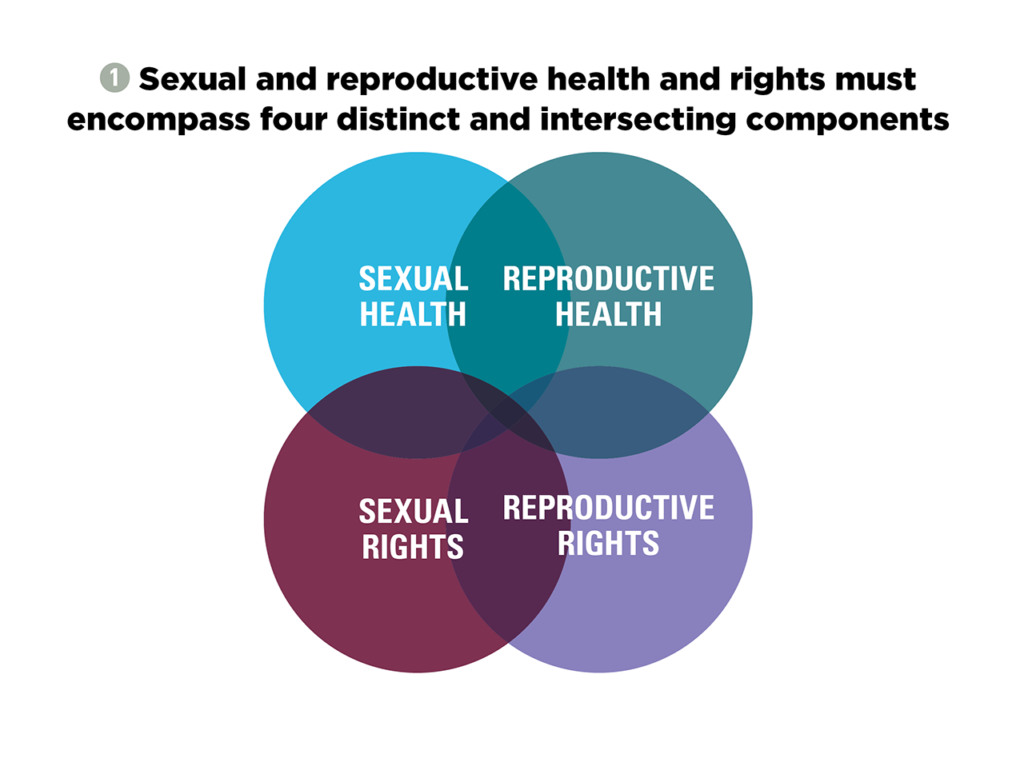
Young people with disabilities are vulnerable to abuse and sexual violence. Alarmingly, 40-68% of women with disabilities are victims of abuse before they turn 18. Forced sterilizations and marriages are also common. Many assume that people with disabilities are unable to make decisions about whether they want to have children.
That is why we stress the importance of educating young people with disabilities about sexual and reproductive health and rights (SRHR) to empower them to make informed decisions and protect themselves from abuse.
We collaborate with a variety of esteemed organizations to advance our mission of sustainable development for vulnerable groups. Our partners provide critical support, resources, and expertise, enabling us to deliver meaningful impact across the communities we serve. Below are some of our key partners